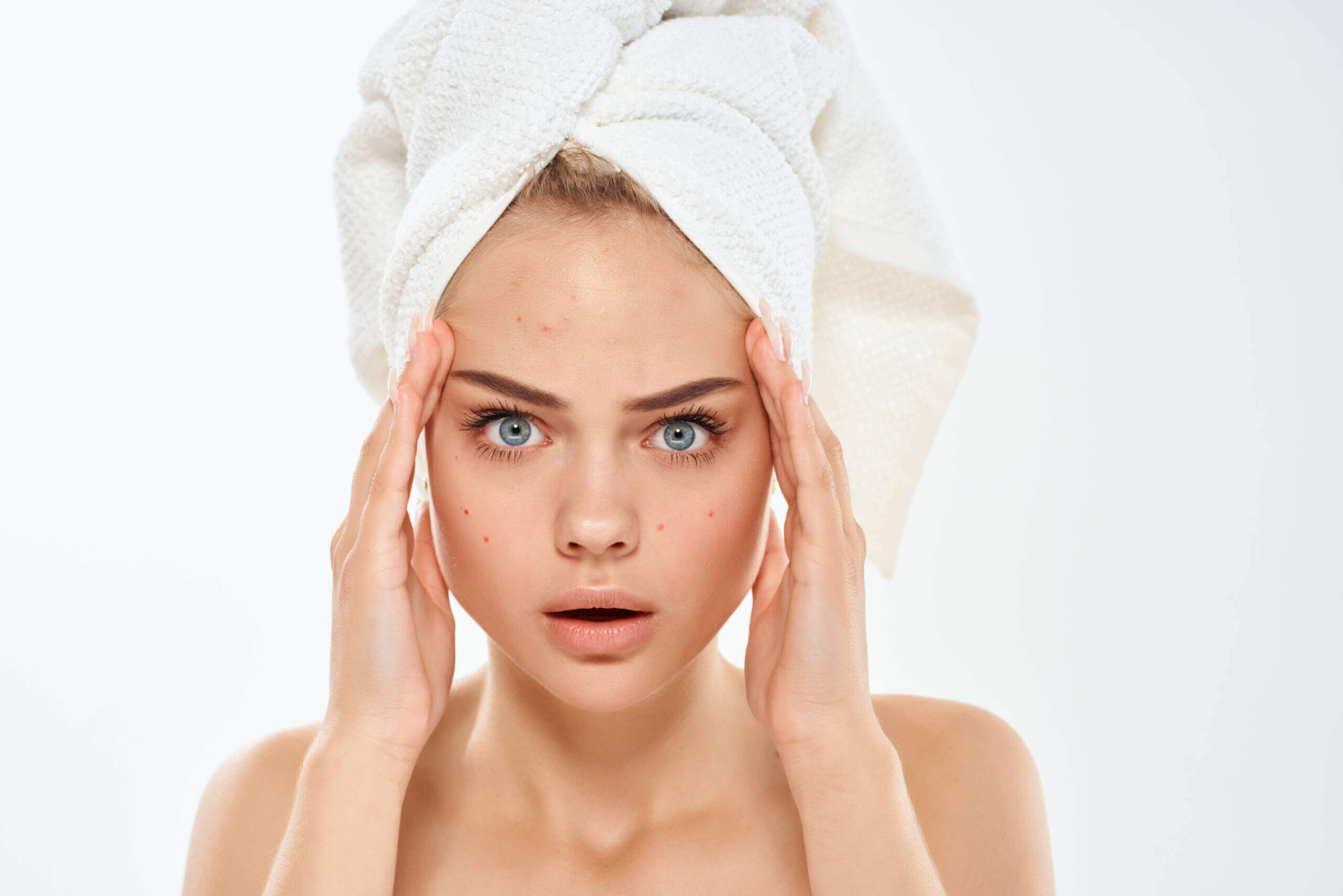
Acne is one of the most common dermatological conditions worldwide, affecting millions of people of all ages, although it occurs most frequently during adolescence. It is an inflammatory disease of the skin’s pilosebaceous units, which can manifest in various forms: pimples, blackheads, cysts, or nodular lesions. Although it is not life-threatening, it significantly affects an individual’s psychology, self-confidence, and social life.
Causes of acne
The pathogenesis of acne is multifactorial and involves biological, hormonal, and environmental mechanisms. The main causes include:
- Excess sebum production: The sebaceous glands secrete excessive sebum, which, combined with dead skin cells, clogs the pores.
- Hormonal changes: During puberty, as well as in conditions such as polycystic ovary syndrome, androgen hormones increase, causing excessive sebum production.
- Bacterial infection: The bacterium Cutibacterium acnes (formerly Propionibacterium acnes) develops in clogged pores and causes inflammation.
- Inflammatory response: The presence of bacteria and sebum activates local inflammatory mechanisms.
In addition to these main factors, elements such as the prolonged use of a mask (maskne), excessive exposure to pollutants, and smoking have been associated with the onset or worsening of the condition. It is important to clarify that acne is not caused by poor hygiene, a fact that is often a misconception and leads to the unjust stigmatization of patients.
Types and symptoms
Acne presents in different κλινικές μορφές, που συχνά συνυπάρχουν στο ίδιο άτομο:
- Open comedones (blackheads): These occur when pores become clogged with sebum and skin cells. The contents oxidize and turn black in color.
- Closed comedones (whiteheads): Formed through a similar mechanism but remain beneath the surface of the skin.
- Pustules and papules: Inflammatory lesions that cause redness and pain.
- Nodules and cysts: Deeper, more painful lesions that may lead to scarring.
The symptoms are most commonly found on the face, back, chest, and shoulders, areas with a higher number of sebaceous glands. In addition to skin lesions, acne may leave secondary lesions such as hyperpigmentation or scars, which represent an additional aesthetic and psychological problem. Severe forms of the condition often require specialized and immediate therapeutic intervention to prevent permanent damage.
Acne: Risk Factors
Acne can affect anyone, however there are specific factors that increase the likelihood of onset or worsening:
- Age: Most common during adolescence, but adults can also be affected.
- Heredity: If there is a family history of acne, the likelihood of developing it increases.
- Hormonal changes: Pregnancy, menopause, or menstrual cycle disorders can trigger episodes.
- Medications: Corticosteroids, anabolic steroids, or lithium are known to be associated with acne.
- Cosmetics: Oil-based products that clog pores contribute to the development of acne.
- Diet: Research shows that foods with a high glycemic index or dairy products may play a role.
It is important to note that the interaction of these factors varies from person to person. For example, two individuals with similar dietary habits may present completely different intensity and forms of acne, which demonstrates the complex nature of the condition.
Acne: Diagnosis
The diagnosis of acne is mainly based on the clinical presentation, that is, the type and distribution of lesions on the skin. The dermatologist evaluates:
- The presence of comedones, pustules
- The location of the lesions (face, trunk).
- The presence of scars or hyperpigmentation.
In cases where a hormonal disorder is suspected, laboratory tests may be requested, especially in women with associated symptoms such as irregular cycles or hirsutism. Also, in persistent forms that do not respond to conventional treatment, further investigation may be needed to rule out other skin conditions with a similar presentation. An early visit to a specialist is crucial for the prevention of permanent lesions and the selection of the appropriate treatment.
Acne: Treatment Options
Topical treatments: Creams or gels with benzoyl peroxide, retinoids, salicylic acid, or topical antibiotics. Suitable for mild forms.
- Topical Treatments:: Κρέμες ή τζελ με βενζοϋλοϋπεροξείδιο, ρετινοειδή, σαλικυλικό οξύ ή τοπικά αντιβιοτικά. Απευθύνονται σε ήπιες μορφές.
- Systemic therapy: Oral antibiotics, hormonal therapy (e.g., contraceptives), or isotretinoin for severe forms.
- Interventional methods: Laser, chemical peels, or phototherapy, which reduce inflammation and scars.
- Cosmetic support: Use of non-comedogenic products for cleansing and hydration.
The therapeutic approach is often combination-based. For example, a patient may start with topical formulations and, if there is no sufficient improvement, proceed to systemic therapy. Patients should have realistic expectations: acne can improve significantly, but it requires time, consistency, and close monitoring by a dermatologist. The indiscriminate use of cosmetics or antibiotics without medical guidance often leads to worsening rather than improvement.
Impacts and Psychological Dimension
Although acne is a dermatological condition, it has a significant psychological dimension. It affects body image, reduces self-esteem, and may lead to anxiety, depression, or social isolation. Research shows that young people with acne are at greater risk of school bullying or social isolation, while adult patients often experience difficulties in their professional or emotional life. The psychological burden is often disproportionate to the severity of the lesions, highlighting the importance of support and early treatment. Addressing acne is not only about skin health, but also about improving quality of life.
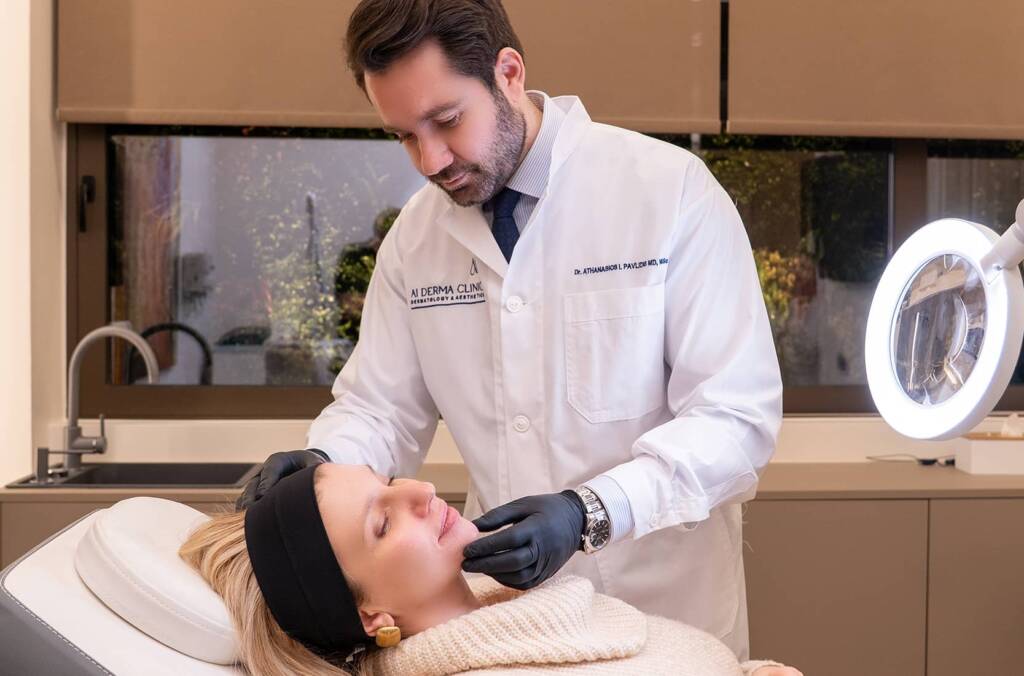
Discover effective treatments for acne in a place of expertise and care. Contact the team of the dermatology clinic AI Derma Clinic and schedule your own session with absolute safety and professionalism.